

When scratchy, uncomfortable eyes start ruining your workday, what can you do? Before resorting to expensive treatments, it might be as simple as reaching for an eye mask.
Eye masks can help with certain types of dry eyes by warming the oil glands around your eyelids and improving your natural tear film, though they’re not a solution for everyone. The key lies in understanding when these simple tools work and when you need something more comprehensive to get lasting relief.
What Are Eye Masks for Dry Eyes?
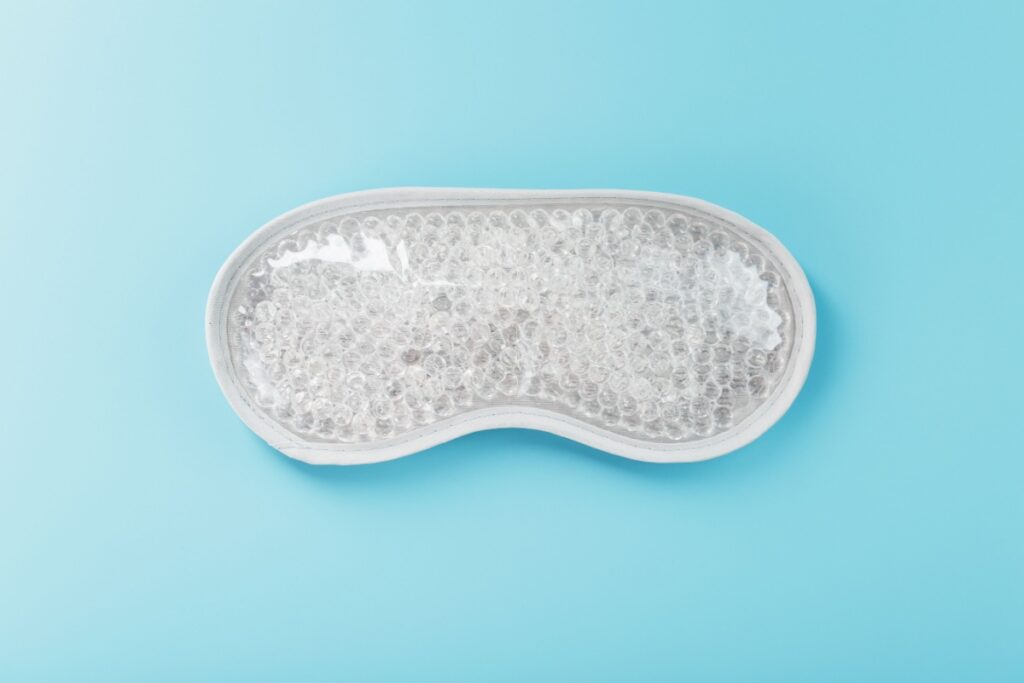
You’ll find several different eye mask options designed to help with dry eye discomfort. Each type delivers warmth in a slightly different way, so you can choose what works for your routine and budget.
- Microwaveable eye masks (like Bruder masks)
- Electric warming masks
- Disposable warming patches
When you place a warm eye mask over your closed eyelids, the gentle heat helps open tiny oil glands called meibomian glands. These glands line your eyelids and produce oils that keep your tears from evaporating too quickly. The warmth can help melt any thick or hardened oils blocking these glands, allowing them to better flow freely again.
This process improves your tear film quality, which means your eyes stay moist longer between blinks. Think of it like warming honey. The heat makes everything flow more smoothly.
When Eye Masks Can Provide Relief
Eye masks work particularly well if you experience occasional discomfort rather than constant problems. You might notice improvement if your symptoms feel manageable and don’t interfere with your daily activities, such as:
- Occasional eye irritation
- Minor burning sensation
- Tired feeling eyes after screen time
- Slight blurriness that clears with blinking
Using an eye mask is more effective when combined with other good eye care habits. Taking regular breaks from screens gives your eyes a chance to rest and blink naturally. Remember to blink fully and deliberately, especially when you’re focusing on computer work or reading.
The 20-20-20 rule can help too. Every 20 minutes, look at something 20 feet away for 20 seconds. This simple practice can reduce eye strain and help maintain healthy tears throughout your day.
Signs Your Dry Eyes Need Professional Attention
While eye masks help many people, some symptoms need more than home remedies. Pay attention to how your eyes feel and function day-to-day, especially if you notice changes that don’t improve with basic care.
Severe dry eye can cause:
- Persistent pain or discomfort
- Vision changes that don’t improve
- Severe redness or swelling
- Symptoms that interfere with daily activities
Eye masks may not work when your dryness stems from underlying conditions that simple warming can’t address. Autoimmune disorders, certain medications, or structural problems with your eyelids can all contribute to dry eye symptoms. In these cases, the issue goes deeper than just blocked oil glands.
Some people also have tear production problems rather than tear quality issues. An eye mask might feel soothing, but it won’t address the root cause if your eyes simply don’t make enough tears to begin with.
Professional Dry Eye Treatments
When home remedies aren’t enough, professional evaluation and treatment become necessary. An optometrist can examine your tear film quality, measure your tear production, and check for any underlying conditions affecting your eyes. This evaluation includes special tests that can pinpoint precisely where the problem lies, whether it’s oil gland blockage, insufficient tear production, or inflammation.
Your optometrist can also examine your eyelids and the surface of your eyes under magnification to identify issues that aren’t visible at home.
IPL Therapy for Severe Dry Eye Cases
Intense Pulsed Light (IPL) therapy addresses chronic dry eye by targeting inflammation around your oil glands. This treatment uses specific wavelengths of light to reduce bacteria and improve oil gland function in ways that home treatments can’t match.
IPL therapy typically involves a series of sessions, and many patients with severe dry eye notice improvement that lasts months rather than just the temporary relief you get from eye masks.
Other Professional Treatment Options
Your optometrist can customize a treatment plan based on what’s actually happening with your eyes. These options target different aspects of dry eye syndrome, going beyond just the symptoms to address the root of the problem for longer-lasting relief.
Popular treatments for dry eye include:
- Prescription eye drops
- Specialized contact lenses for dry eye
- Low-level light therapy
- LipiFlow
- Radio Frequency (RF) Treatment
- Zocular eyelid system treatment (ZEST)
How to Know When You Need More Than Eye Masks
Try this quick test at home: blink rapidly several times, then focus on something in the distance. If your vision clears temporarily, your dry eyes might be affecting your sight more than you realized. This suggests your tear film isn’t stable enough to maintain clear vision consistently.
Eye masks might provide immediate comfort, but you should notice consistent improvement within a few weeks of regular use if they’re going to help your particular situation. Professional treatments often take longer to show full results, but typically provide more lasting relief.
If you’ve tried eye masks and other home remedies for several weeks without significant improvement, consider scheduling a dry eye evaluation. Waiting too long can sometimes allow the condition to worsen and become harder to treat effectively.
Get On the Path to Dry Eye Relief
Everyone experiences dry eye differently, and what works for one person may not help another. A proper evaluation can identify the specific type and severity of your dry eye syndrome, helping us offer targeted and effective treatments.
Whether you need simple solutions or more comprehensive care, Lifetime Optometric can help you find the right approach for lasting comfort. Schedule a consultation today and discover how we can help your eyes feel and function their finest.